
What Brixton’s First Black People’s Assembly Taught Us About Assemblies — and Democracy
Six lessons from a community coming together to listen, deliberate and shape its future
On 16 February 2026, something important happened in Brixton.
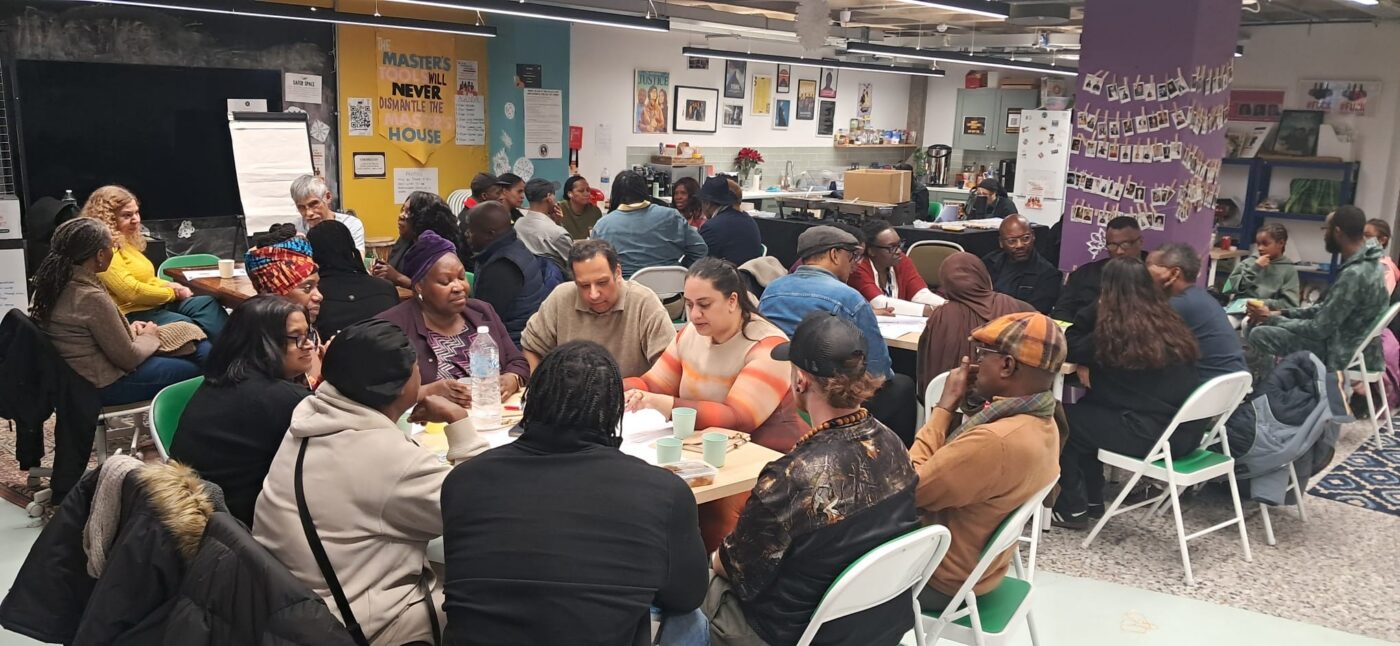
Brixton’s first Black People’s Assembly brought together 64 residents, organisers, faith leaders, frontline workers, councillors and a local MP for a structured community conversation about the issues affecting Black communities in the borough.
Convened by Operation Black Vote and Humanity Project, the Assembly focused on the cost of living crisis, housing, food insecurity, health, representation and power. Participants moved through three rounds of deliberation, exploring lived experience, what is working and failing in current systems, and what action might come next.
There was Caribbean food. Poetry and music. A community help hub.
But most importantly, there was something increasingly rare in public life: people listening deeply to one another.
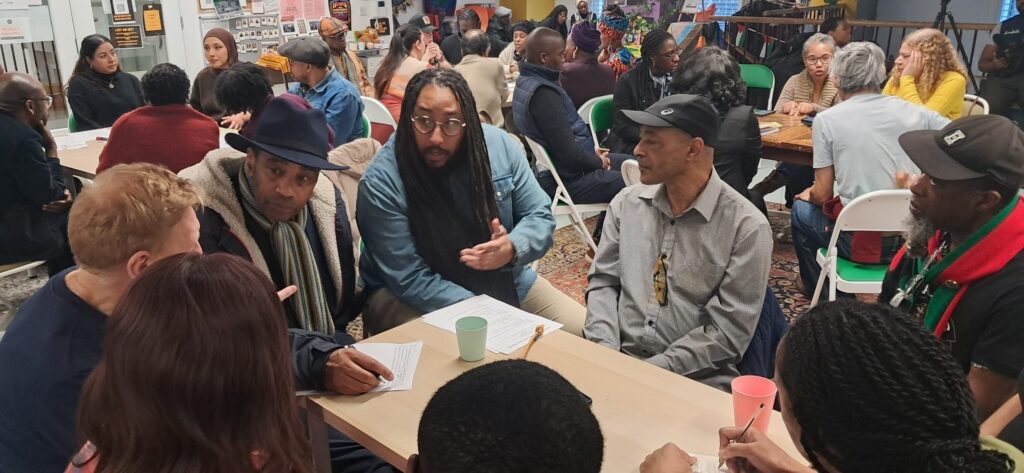
The Assembly wasn’t designed as a consultation exercise. It was designed as a democratic space where people could share experiences, develop a collective understanding of the challenges facing their community and begin identifying practical ways forward.
You can download the full report below.
[Read and Download the Brixton Black People’s Assembly report]
As we reflected on the day, six lessons stood out.
1. Assemblies are born from struggle
People rarely come together because everything is going well.
They come together because something matters. Because something is hurting. Because existing systems are not responding adequately.
In Brixton, conversations were shaped by rising housing costs, food insecurity, racial inequality and a growing sense that many people feel locked out of decisions affecting their lives.
Assemblies create a space where those experiences can be shared openly and collectively understood.
2. Trust takes time
The Assembly itself lasted one afternoon.
The work to make it possible took months.
Behind every successful assembly sits relationship-building, outreach, careful design and hundreds of conversations. Trust is built long before people enter the room.
Three months of preparation, community mapping, outreach and facilitator training helped create the conditions for meaningful participation in Brixton.
3. Communities carry trauma as well as hope
Communities facing inequality often carry deep experiences of disappointment, exclusion and broken promises.
People may arrive sceptical that participation will make any difference.
Assemblies need to make space for that reality while also creating room for possibility. They must acknowledge pain without becoming trapped by it.
Brixton demonstrated that both can exist at the same time.
4. Culture creates the conditions for democracy
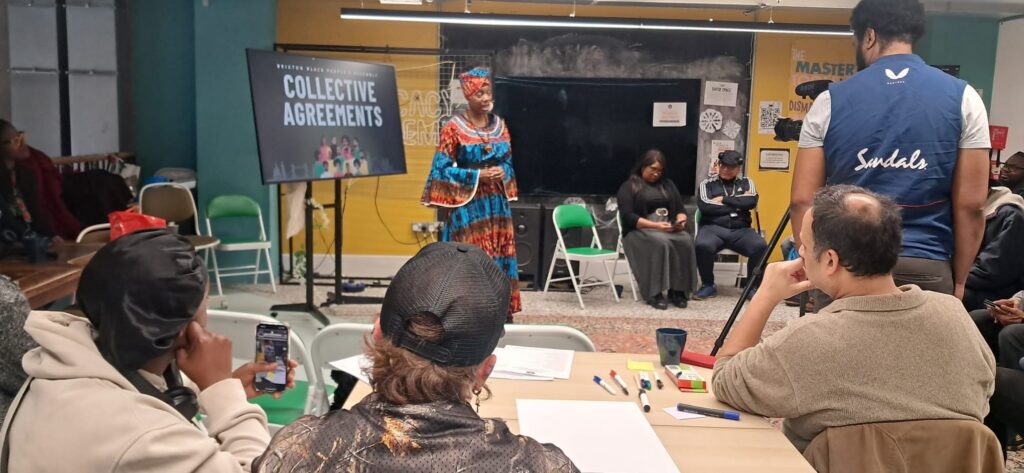
One of the strongest lessons from Brixton is that democracy is not just about process.
It is also about culture.
Food, poetry, music and storytelling helped create an atmosphere where people felt welcome, comfortable and connected. These elements were not extras. They were part of what made meaningful participation possible.
Assemblies should not feel like formal meetings.
They should feel like community life.
5. Listening changes the conversation
When people have the opportunity to listen deeply to one another, something shifts.
Individual frustrations begin to reveal shared patterns.
Personal stories become collective understanding.
The conversation moves beyond symptoms towards causes, and from isolated concerns towards shared priorities.
This is one of the most powerful things assemblies make possible.
6. Assemblies are the beginning, not the end
A successful assembly is not measured by what happens on the day.
It is measured by what happens afterwards.
In Brixton, 28 participants signed up to join working groups focused on housing, income security, youth and family support, health and race equity. The aim is to continue organising, developing solutions and building influence beyond the Assembly itself.
But the deeper lesson is that assemblies are not simply about better conversations.
They are about building the relationships, confidence and collective power needed for communities to influence the decisions that shape their lives.
The Brixton Assembly generated proposals for new forms of collaboration and accountability between communities and institutions, including ideas for ongoing working groups and shared oversight of local priorities.
An assembly starts a process.
It creates relationships, shared understanding and momentum.
What comes next is the work of turning those things into influence, accountability and lasting change.
Democracy begins in community

One of the most powerful ideas at the heart of Humanity Project is that democracy is not something done to people. It is something people do together.
The Brixton Black People’s Assembly showed what becomes possible when communities are given the time, space and support to listen, deliberate and act collectively.
Not as consultees. Not as audiences. But as participants in shaping the future of their communities.
That is the promise of assembly culture.
And while the journey in Brixton is only just beginning, the lessons reach far beyond one neighbourhood.
They offer a glimpse of what a more participatory, relational and community-powered democracy could look like.